
Villa Park: Honoring the Past, Building the Future
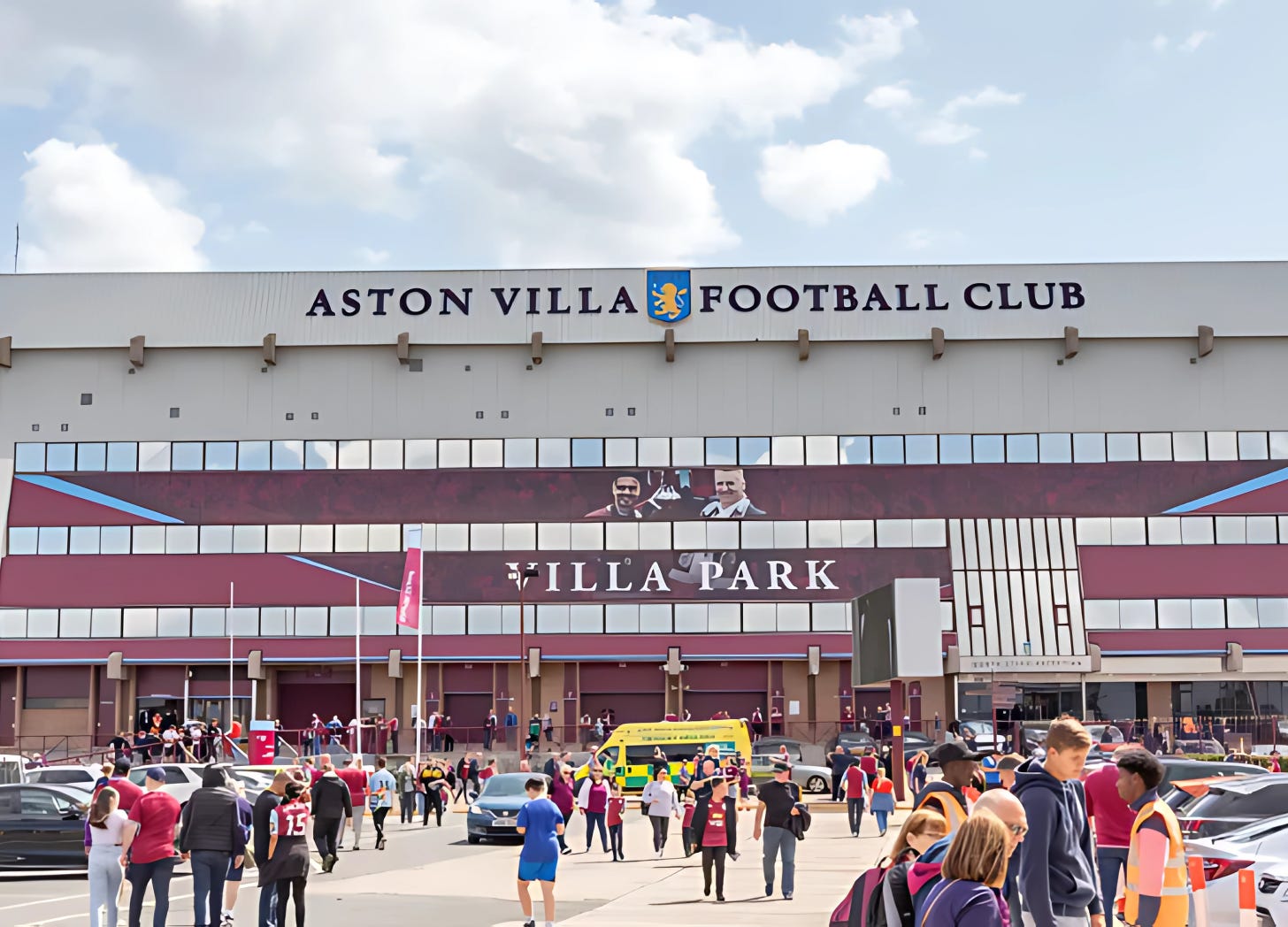
Aston Villa Football Club

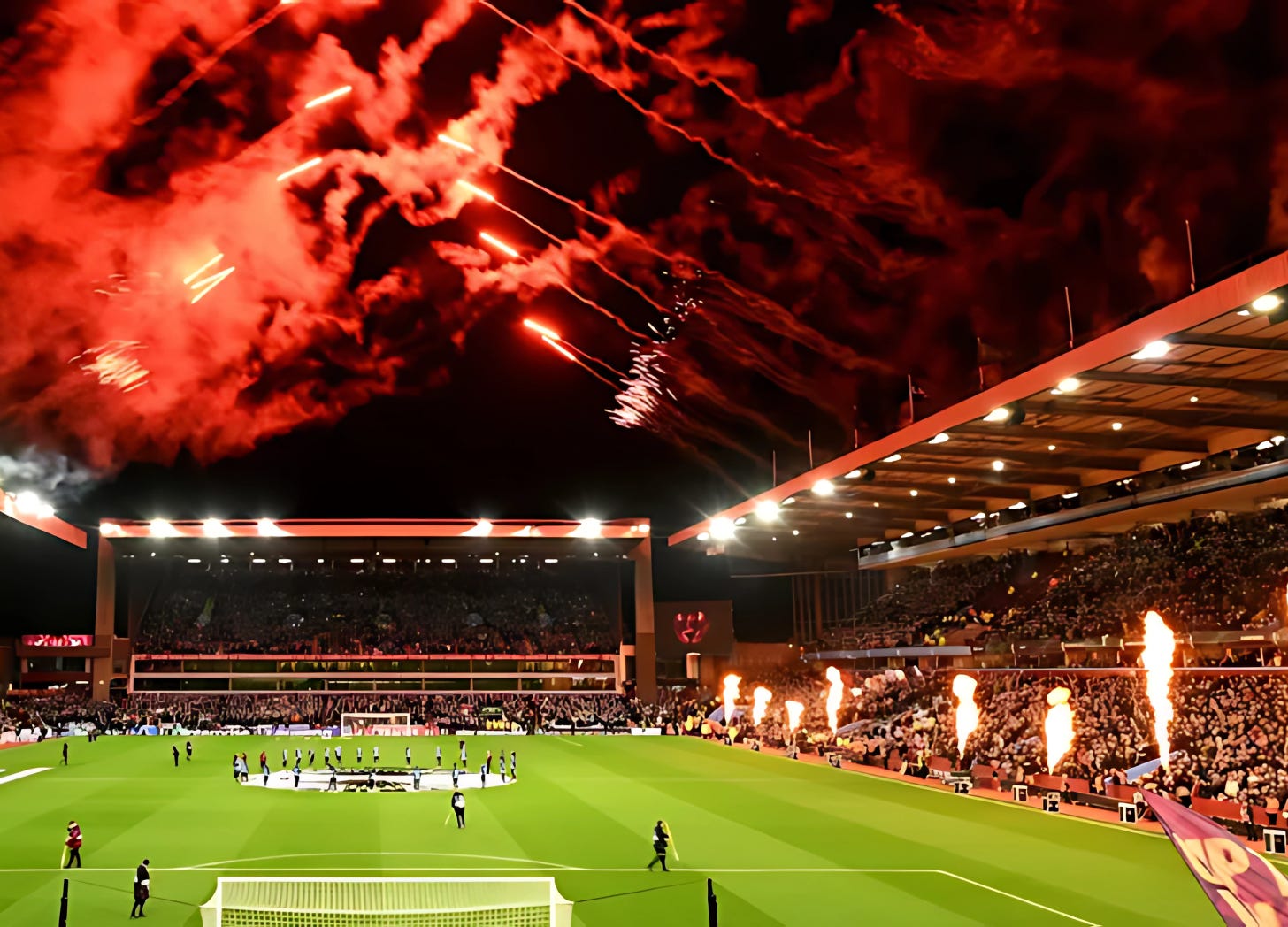
For over 125 years, Villa Park has been more than just a football stadium—it’s been a cultural landmark and a pillar of the Birmingham community. From hosting 55 FA Cup semi finals to serving as a stage for the 1966 World Cup and Euro 96, its legacy in football is undeniable. But Villa Park’s influence extends far beyond the pitch. It has welcomed concerts from legends like Bruce Springsteen and Bon Jovi, hosted cricket matches, and even functioned as a vaccination center during the COVID-19 pandemic. Now, with Euro 2028 on the horizon, the stadium is set for a transformation that blends history with innovation.
A Vision for the Future
Aston Villa’s redevelopment of Villa Park isn’t just about upgrading facilities—it’s about reimagining the stadium as a year-round destination. At the heart of this transformation is The Warehouse, a multi-purpose entertainment and community space that will open the doors to concerts, corporate events, and other non-football activities. This, alongside expanded premium seating and enhanced hospitality areas, will drive match-day revenue while establishing new income streams beyond football. The modernization aims to elevate the match-day experience for fans while also positioning Villa Park as a top-tier venue for high-profile events.
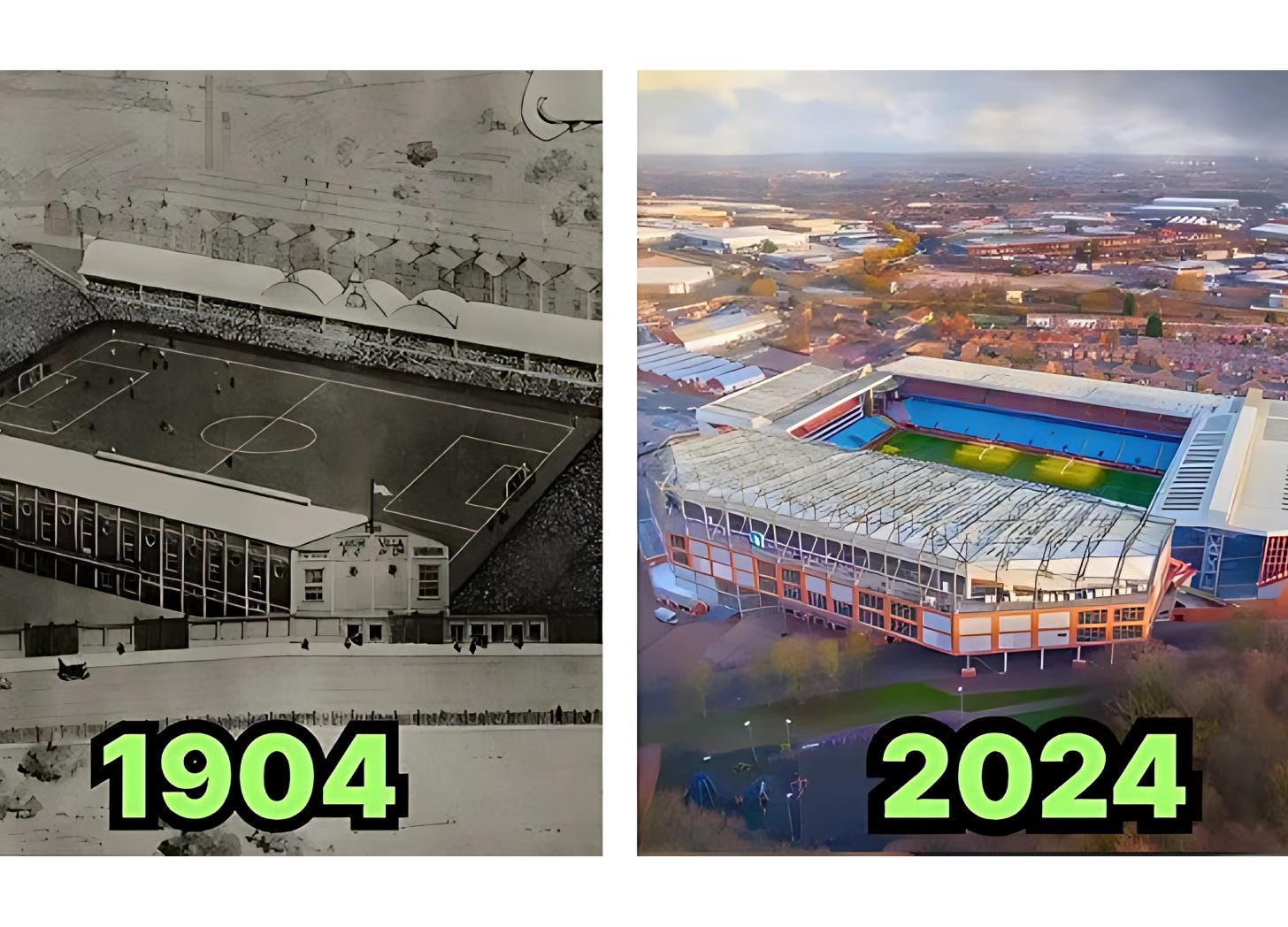
The club’s ambitions don’t stop there. The redevelopment plans include major improvements to the North Stand, increasing overall capacity to meet growing demand. With Aston Villa’s resurgence in the Premier League and European competitions, ensuring that more fans can be part of the action is a priority. Upgraded fan zones, improved accessibility, and state-of-the-art facilities will make attending a game at Villa Park a world-class experience.
Growth with Financial Stability
Rather than an all-at-once overhaul, Aston Villa is taking a phased approach to redevelopment. This strategy allows the club to tackle critical infrastructure challenges incrementally, ensuring minimal disruptions while maintaining financial stability. By prioritizing financial sustainability, Villa Park’s modernization isn’t just about aesthetics—it’s about securing a long-term future for both the club and its supporters.
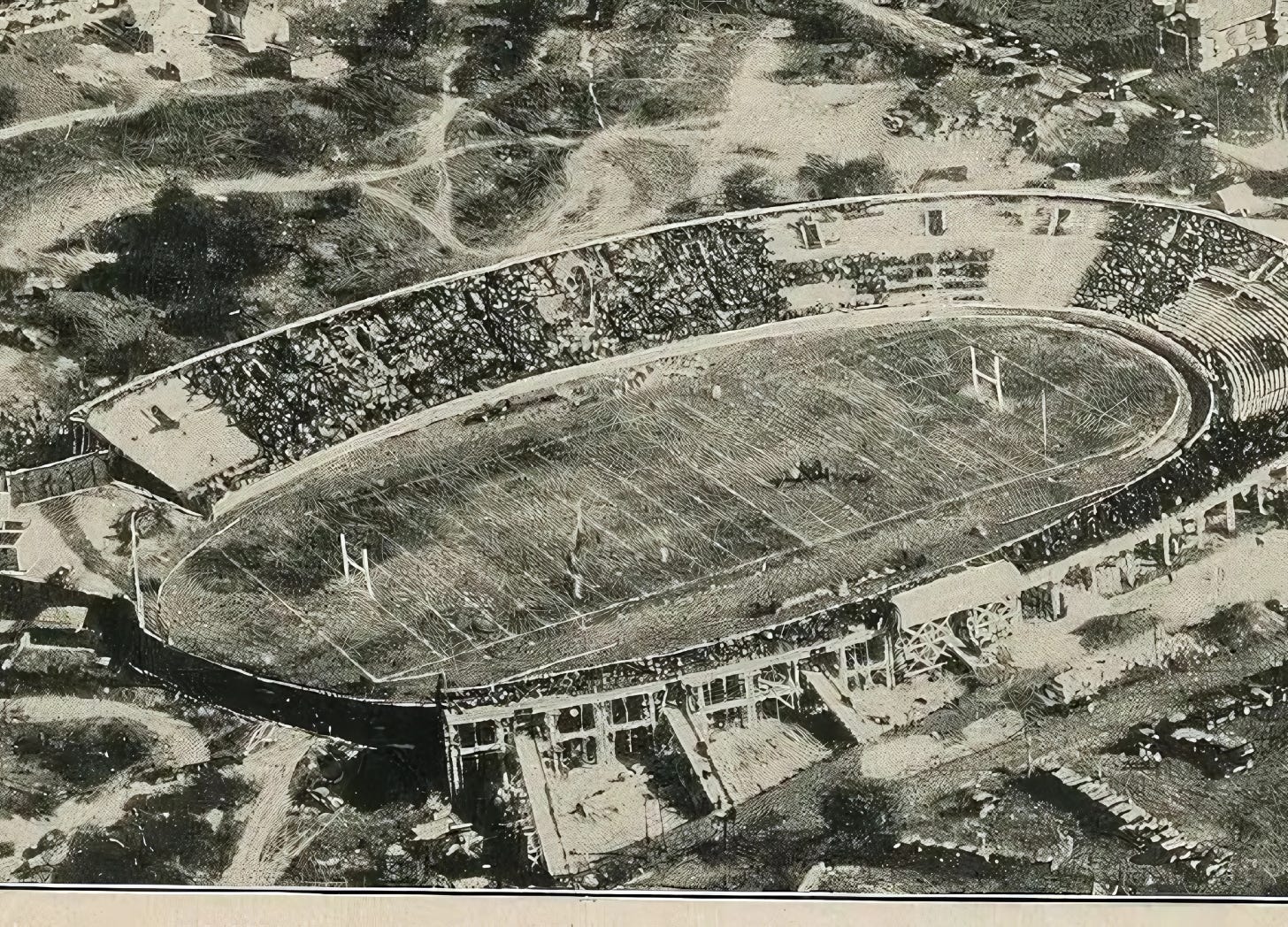
Aston Villa’s ownership has emphasized the importance of smart financial planning throughout the process. By spreading costs over multiple phases, the club can continue investing in the squad while also enhancing the stadium. This careful balance ensures that on-field ambitions are not compromised by infrastructure upgrades, reinforcing a holistic approach to long-term growth.
A Boon for Birmingham
Villa Park’s transformation isn’t just a win for Aston Villa—it’s a boost for the entire city. The redevelopment is expected to create jobs, support local businesses, and attract more visitors to Birmingham, reinforcing the stadium’s role as an economic driver. Restaurants, pubs, and hotels in the surrounding areas stand to benefit significantly from increased foot traffic, especially on match days and during major events.
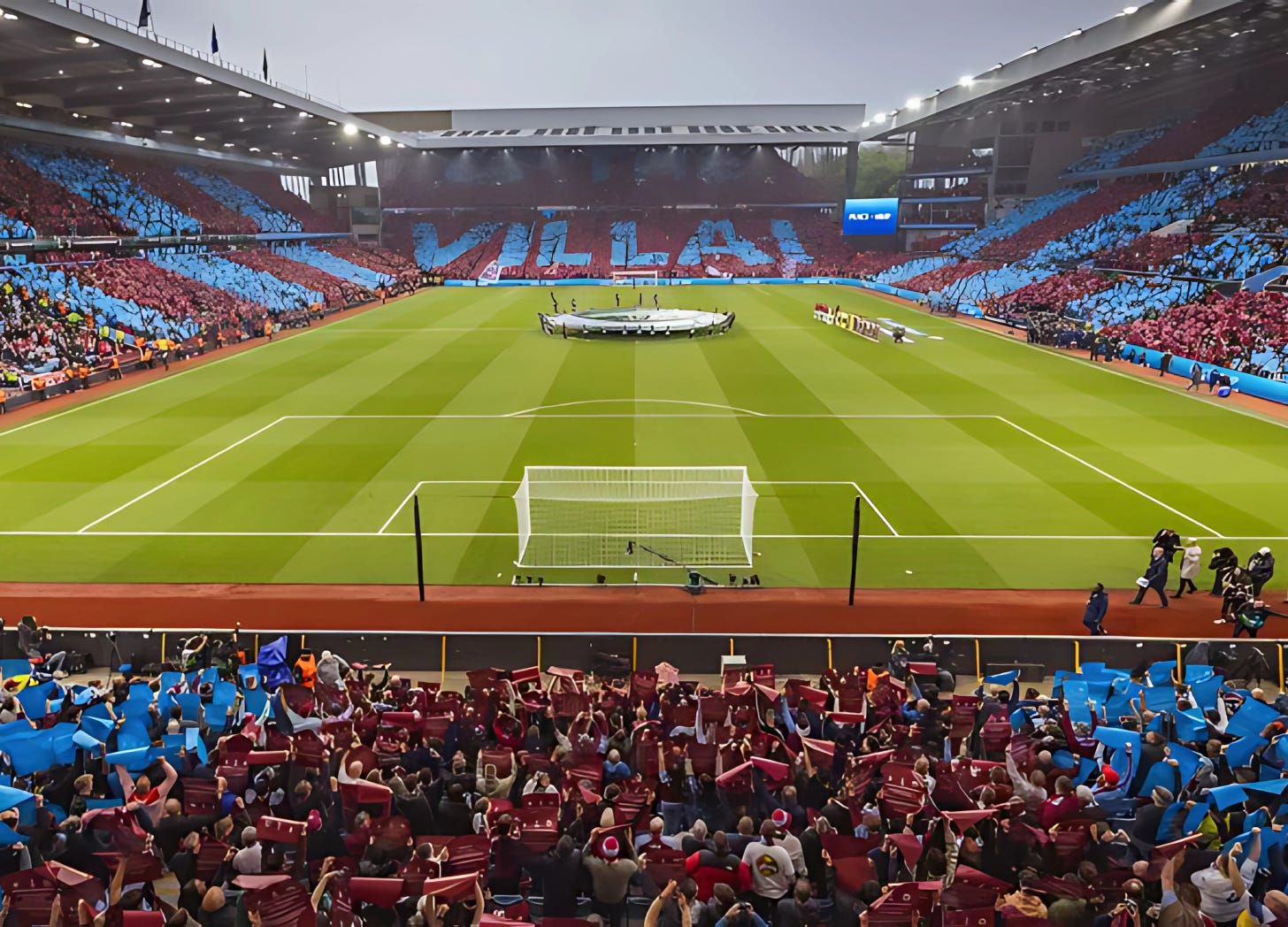
Additionally, the club’s commitment to community engagement remains a core focus. Villa Park has long been a hub for social initiatives, and the redevelopment will further enhance its role in local outreach programs. By modernizing its facilities while staying true to its roots, Aston Villa is ensuring that the stadium continues to serve as a valuable resource for the city’s residents.
Preserving Legacy, Embracing Progress
From its storied past to its ambitious future, Villa Park continues to evolve—honoring tradition while embracing progress. As one of England’s most historic football grounds, this redevelopment marks the next chapter in its legacy. By balancing modern enhancements with financial responsibility and community impact, Aston Villa is securing a future where Villa Park remains not just a stadium, but a symbol of pride for generations to come.
FAQs
1. What is Villa Park’s current seating capacity, and how will it change after redevelopment?
Villa Park currently has a capacity of 42,785. After the £100 million redevelopment, it will exceed 50,000, allowing more fans to experience the historic venue.
2. What are the key features of Villa Park’s £100 million redevelopment?
The redevelopment includes expanding capacity, creating The Warehouse (a multi-purpose community hub), adding Villa Way (a pedestrian concourse), upgrading hospitality areas, and implementing sustainable technologies.
3. How does Villa Park balance its history with modernization?
Villa Park retains its unique architectural identity, including the distinct stands like the Holte End, while incorporating modern features such as energy-efficient technologies and improved fan facilities. The design reflects a blend of Victorian heritage and contemporary innovation.
4. What sustainability initiatives are part of the redevelopment?
Sustainability initiatives include energy-efficient LED floodlights, renewable energy sources (solar panels and wind energy), rainwater harvesting, food digestion systems, reusable cup schemes, and a certified renewable energy supply.
5. How will Villa Park contribute to the Birmingham community after redevelopment?
Villa Park will serve as a 7-day-a-week community hub, hosting events, concerts, and gatherings in spaces like The Warehouse. It will also improve accessibility with Villa Way and continue its legacy as a cultural and social landmark in Birmingham.